

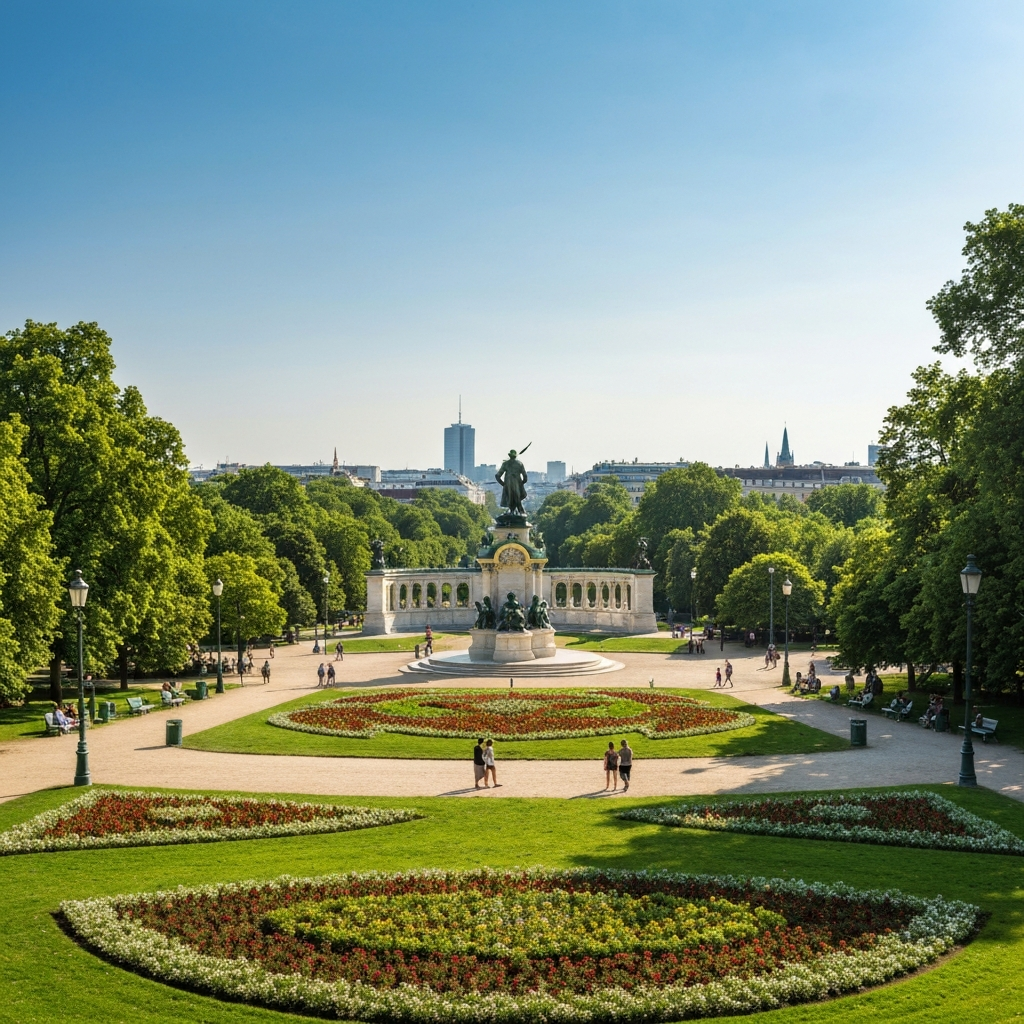
Vienna is renowned for its rich cultural heritage and architectural splendor, but equally impressive is its commitment to green spaces. Approximately 50% of the city’s area is dedicated to parks, gardens, and forests, offering residents and visitors alike a respite from urban life. This abundance of greenery not only enhances the city’s aesthetic appeal but also plays a crucial role in promoting public health and well-being.
The Role of Green Spaces in Urban Life
Urban green areas serve as communal hubs where people can engage in recreational activities, socialize, and connect with nature. Parks like the Stadtpark, with its iconic Johann Strauss monument, and the expansive Donaupark, home to the Danube Tower, provide serene environments for relaxation and leisure. These spaces contribute significantly to the quality of life in Vienna, fostering a sense of community and offering a sanctuary from the hustle and bustle of city life.
Mitigating Climate Change Effects
Beyond their recreational value, Vienna’s green spaces are instrumental in combating the adverse effects of climate change. Trees and vegetation in urban areas help reduce the urban heat island effect by providing shade and releasing moisture into the air, thereby cooling the environment. They also improve air quality by filtering pollutants and sequestering carbon dioxide.
Vienna has experienced a significant rise in average temperatures over the past century. Data indicates that the city’s annual mean air temperatures have increased by nearly three degrees Celsius since the 1970s. All of the ten warmest years on record occurred after 2000. In response, the city has intensified efforts to expand and maintain its green spaces, recognizing their vital role in climate adaptation strategies.
Community Involvement and Future Initiatives
The preservation and expansion of green spaces in Vienna are not solely the responsibility of municipal authorities. Community involvement plays a pivotal role. Initiatives such as urban gardening projects and participatory planning processes empower residents to contribute to the development and maintenance of these areas. For instance, the Seestadt Aspern district incorporates extensive green spaces designed with input from the local community, reflecting a collaborative approach to urban planning.
Looking ahead, Vienna continues to prioritize the integration of green infrastructure into urban development. Plans include the creation of new parks, the planting of additional trees along streets, and the incorporation of green roofs and facades in building designs. These initiatives aim to enhance the city’s resilience to climate change while maintaining its reputation as one of the world’s most livable cities.
In conclusion, Vienna’s green spaces are more than just aesthetic enhancements; they are essential components of the city’s strategy to address climate change and promote public health. As temperatures continue to rise, the importance of these urban oases becomes ever more apparent, underscoring the need for continued investment and community engagement in their preservation and expansion.