

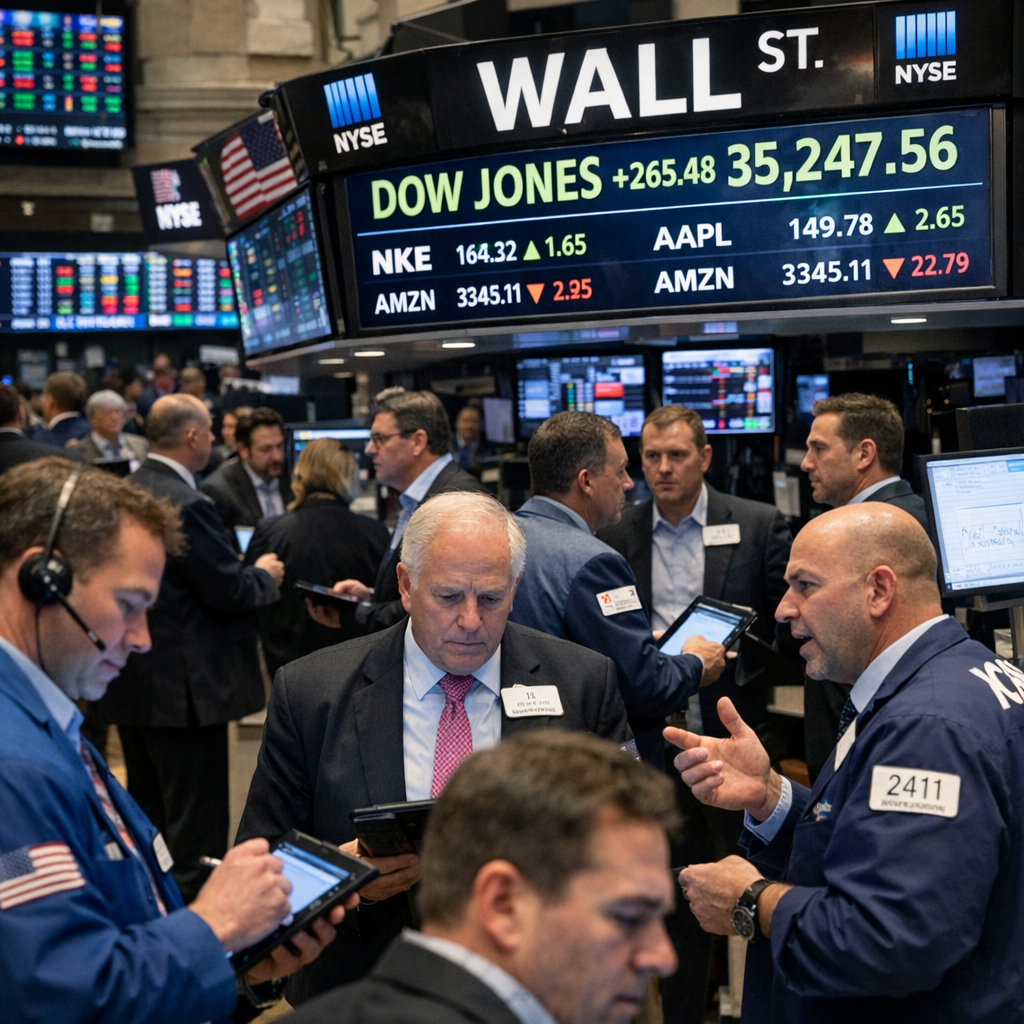
The United States economy is currently navigating a complex landscape shaped by various domestic and international factors. Understanding these dynamics is crucial for comprehending the broader global economic environment.
Economic Growth and Employment
As of May 2026, the U.S. economy has demonstrated resilience despite ongoing uncertainties. The labor market remains robust, with April figures revealing the addition of 115,000 new jobs and a stable unemployment rate at 4.3%. This marks a significant improvement, with more jobs created since January than in the entirety of 2025. Additionally, the Gross Domestic Product (GDP) grew at an annualized rate of 2% in the first quarter, outpacing other Western economies.
Inflation and Consumer Confidence
However, inflation has become a pressing concern. In April, inflation surged to 3.8%, driven by factors such as the ongoing conflict with Iran, which has pushed gas prices above $4.50 per gallon. This increase has led to a decline in real purchasing power, as wage growth has not kept pace with rising prices. Consequently, consumer sentiment has plummeted to record lows, reflecting growing pessimism about the economy and personal financial futures.
Trade Policies and Global Relations
Trade policies under the current administration have introduced additional complexities. A recent federal court ruling overturned 10% tariffs, intensifying confusion for businesses and investors. While some sectors, like manufacturing in certain regions, have benefited from protectionist measures, others, particularly agriculture and food processing, have faced higher costs and market uncertainties.
Public Perception and Political Implications
Public perception of the economy is increasingly negative. A CNN poll indicates that 70% of Americans disapprove of the administration’s handling of economic matters. This dissatisfaction is further compounded by concerns over political stability and the health of democracy, with about one-third of Americans identifying politics and government as the nation’s most pressing problems.
Conclusion
The U.S. economy’s current trajectory is influenced by a confluence of factors, including inflationary pressures, trade policies, and public sentiment. These elements not only affect domestic economic performance but also have implications for global markets, including those in Europe. Staying informed about these developments is essential for understanding the interconnected nature of the global economy.