

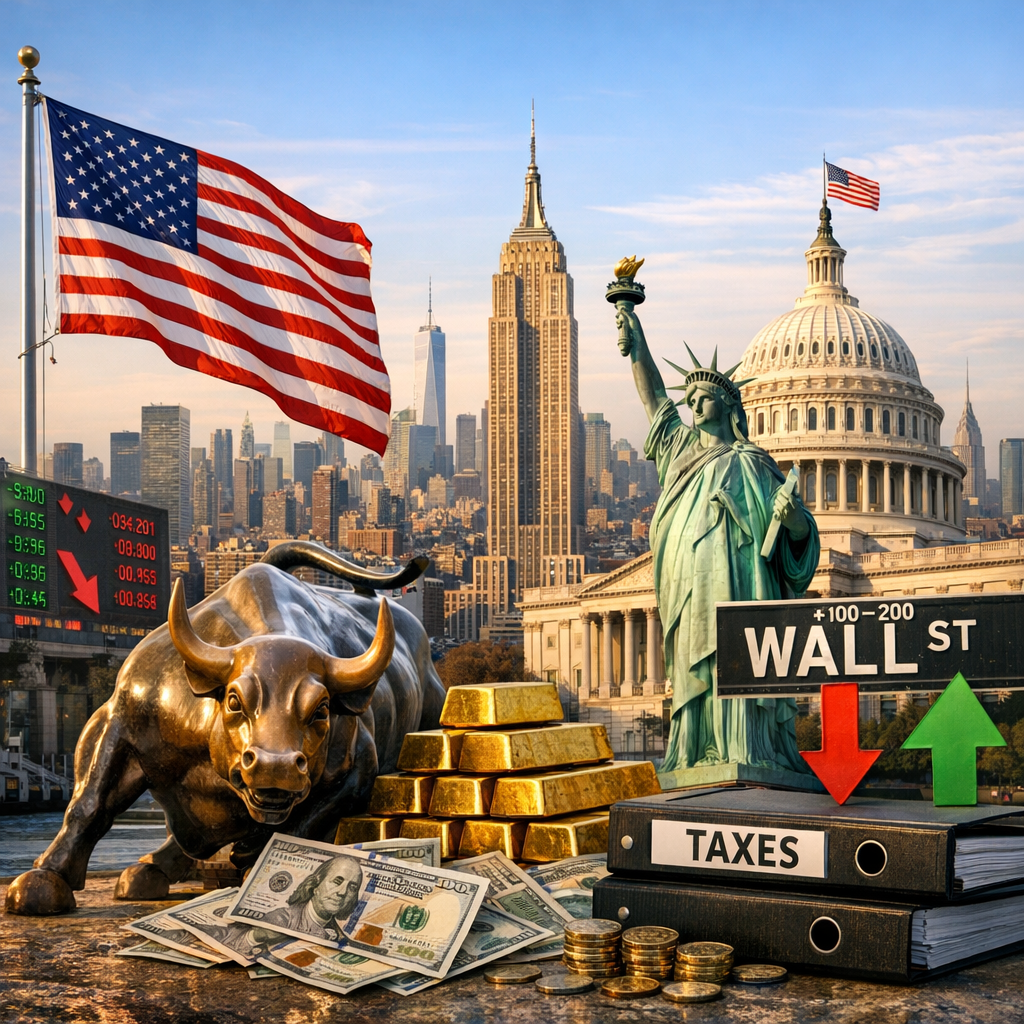
The United States is currently navigating a complex economic and political environment, marked by significant developments that have both domestic and international implications.
Economic Overview
Recent data indicates a sluggish growth in the U.S. economy. The Commerce Department reported a 0.7% annual growth rate from October through December, a notable downgrade from initial estimates. This slowdown is attributed in part to the 43-day government shutdown that occurred last fall. Additionally, the national average gas price has risen to $3.61 per gallon, reflecting the broader impact of global energy market fluctuations.
Political Climate
On the political front, the U.S. is experiencing heightened anxiety about its political system. A Gallup poll revealed that approximately one-third of Americans view politics and government as the nation’s most pressing issues. This concern is particularly pronounced among older demographics, while younger Americans are more focused on economic challenges such as housing affordability.
Furthermore, the political landscape is being reshaped by rapid redistricting efforts ahead of the 2026 midterm elections. These changes are poised to influence the balance of power in Congress and have sparked debates about representation and electoral fairness.
Implications
The interplay between economic challenges and political dynamics underscores the complexities facing the United States. As the nation approaches the midterm elections, the outcomes will likely have profound effects on both domestic policies and international relations.
Understanding these developments is crucial for comprehending the current state of the U.S. and its potential future trajectory.