

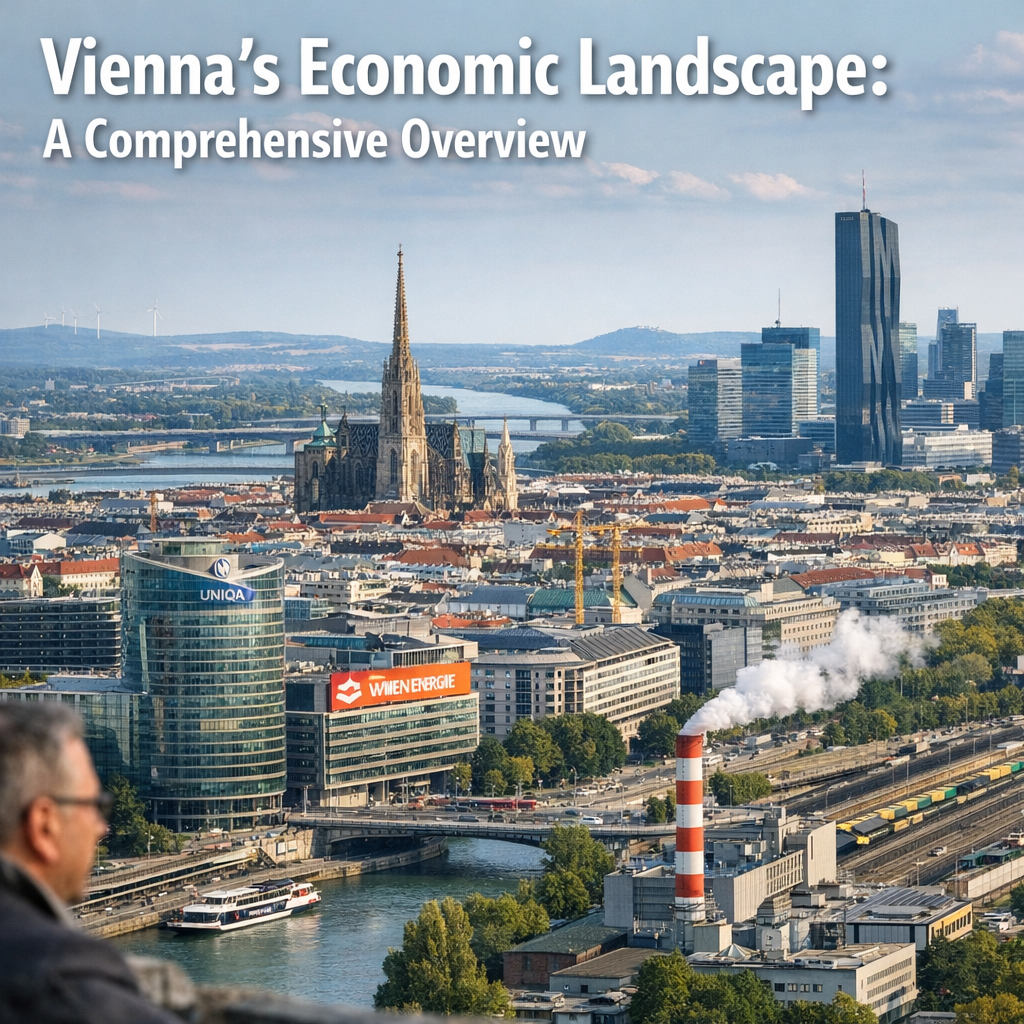
Vienna, Austria’s capital, stands as a pivotal economic hub, contributing significantly to the nation’s prosperity. The city’s diverse economic sectors, employment patterns, and adaptive strategies underscore its resilience and growth potential.
Economic Sectors and Contributions
Vienna’s economy is multifaceted, encompassing industries such as machinery manufacturing, electrical products, chemicals, and metal goods. Notably, the city produces over half of Austria’s capital goods and nearly half of its consumer goods. Specialized products like silk, ceramics, and scientific instruments further highlight Vienna’s industrial diversity. The service sector, including banking and public administration, employs a substantial portion of the workforce, reflecting the city’s role as a central administrative and financial center. Tourism also plays a vital role, with millions visiting annually, bolstering local businesses and cultural institutions.
Employment Trends
The labor market in Vienna has demonstrated resilience amidst economic fluctuations. In 2024, employment in the city grew by 1.1%, outpacing the national average of 0.2%. This growth is attributed to Vienna’s lower concentration of manufacturing industries, which were more severely affected by economic downturns elsewhere. Sectors such as public administration and health services have been pivotal in sustaining employment levels. Additionally, the city’s emphasis on education and research institutions contributes to a skilled workforce, attracting both domestic and international talent.
Economic Challenges and Resilience
Despite its strengths, Vienna has faced economic challenges, including a period of recession in 2024, with the city’s gross value added stagnating. However, forecasts for 2025 indicate a modest recovery, with projected growth in gross value added and employment. The city’s proactive measures in ecological transformation, such as reducing energy consumption per employed person by over a quarter in the past decade, showcase its commitment to sustainable development. Moreover, Vienna’s strategic position as a congress destination has yielded significant economic benefits, with the meeting industry generating an economic impact of EUR 1.32 billion in 2024.
Conclusion
Vienna’s economic landscape is characterized by its diverse industrial base, robust service sector, and proactive strategies to address challenges. The city’s ability to adapt and innovate positions it as a key player in Austria’s economic future, offering opportunities for businesses, entrepreneurs, and job seekers alike.